Child Rights, Child Protection & Safeguarding Training Course
The Child Rights, Child Protection & Safeguarding is a 5-day professional training programme delivered in-person or online in Advocacy, Human Rights and Social Development, ending with a TrustGate Corporate Skills certificate of completion.
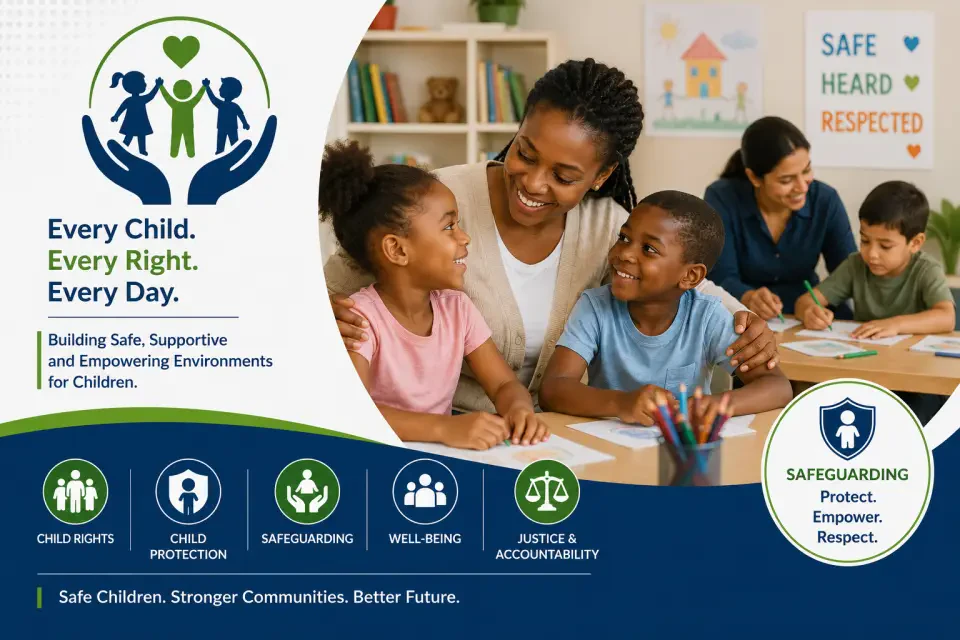
This course introduces participants to the principles, standards and practical approaches for promoting child rights, strengthening child protection and establishing effective safeguarding systems within institutions and development programmes. Children require particular prot...
Last updated
Course Overview
Learning Objectives
- Understand fundamental child-rights principles.
- Identify child-protection risks.
- Recognize safeguarding responsibilities.
- Strengthen institutional safeguarding systems.
- Establish appropriate reporting mechanisms.
- Improve referral and response procedures.
- Promote child-safe organizational cultures.
- Develop safeguarding action plans
Course Content
- Concept of child rights
- Principles of child rights
- Child dignity and participation
- Rights-based child protection
- International child-rights standards
- State responsibilities
- Institutional obligations
- National implementation
- Abuse
- Neglect
- Exploitation
- Violence
- Safeguarding principles
- Institutional safeguarding
- Prevention
- Safeguarding culture
- Recognizing concerns
- Reporting responsibilities
- Confidentiality
- Escalation procedures
- Referral pathways
- Case management
- Inter-agency coordination
- Follow-up and support
- Recruitment safeguards
- Codes of conduct
- Organizational policies
- Staff responsibilities
- Children's voices
- Meaningful participation
- Safe consultation
- Child-centered decision-making
- 1. Safeguarding indicators
- 2. Incident monitoring
- 3. Accountability systems
- 4. Safeguarding audits
- 1. Institutional assessment
- 2. Protection priorities
- 3. Implementation framework
- 4. Safeguarding action plan
Who Should Attend?
- Child-protection professionals
- Government officials
- NGO and INGO personnel
- Social workers
- Education professionals
- Humanitarian personnel
- Community organisations
- Safeguarding officers
- Programme managers
- Youth-development professionals
Training Methodology
- Child-protection case studies
- Safeguarding scenarios
- Risk-assessment exercises
- Role plays
- Policy-development workshops
- Reporting simulations
- Referral exercises
- Group discussions
- Action planning
What's Included
Certification
Certificate in Child Rights, Child Protection & Safeguarding
Issued by: TRUSTGATE CORPORATE SKILLS
Frequently Asked Questions
How long is the Child Rights, Child Protection & Safeguarding training?
The Child Rights, Child Protection & Safeguarding runs for 5 Days. Each day combines expert-led teaching with practical, hands-on exercises so participants can apply what they learn immediately.
Is the Child Rights, Child Protection & Safeguarding delivered online or in-person?
This course is delivered in person (scheduled venues include Nairobi, Mombasa, Kigali, Kampala), live online, or in-house at your organisation.
How much does the Child Rights, Child Protection & Safeguarding cost?
The fee is US$600 per person online and US$1,400 per person in person. In-person fees depend on the participant's country; the pricing card on this page shows the fee for yours.
When is the next Child Rights, Child Protection & Safeguarding training?
A session is running now, from 2 November 2026 to 6 November 2026 in Nairobi, Kenya. The next one runs from 9 November 2026 to 13 November 2026 in Mombasa, Kenya. You can also request a custom date or an in-house session for your team.
Do I get a certificate after completing the Child Rights, Child Protection & Safeguarding?
Yes. Participants who complete the Child Rights, Child Protection & Safeguarding receive a certificate of completion from TRUSTGATE CORPORATE SKILLS.
What will I learn in the Child Rights, Child Protection & Safeguarding?
Key learning outcomes include: Understand fundamental child-rights principles; Identify child-protection risks; Recognize safeguarding responsibilities; Strengthen institutional safeguarding systems; Establish appropriate reporting mechanisms.